
Usnea scabrata (Nyl.), 1875
| Common name | Straw Beard | Code: USNESCA
|
|---|---|---|
| Field Characters | Fruticose hair-like chlorolichen. Yellow-green and pendant up to 30 cm long with parallel papillate branches that often feature depressions called foveoles. Small branch-like structures called fibrils few to numerous. Bases pinched, pale to blackish. Branches often thickest not near the base. Central cord, moderately thin, medulla moderately thick (medulla/cortex = 5.67 ± 2.12; axis/medulla = 1.10 ± 0.44 (Clerc and Naciri 2021)). Soralia small, typically punctiform and rarely enlarged but no more than half of the branch diameter, dotted around the stem. Isidia few to numerous over the thalli. Pycnidia not observed and apothecia rare. | |
| Similar species |
Usnea dasopoga: wider basal attachment, often widest right at the substrate with root-like anchors. Branches lack foveoles, typically even and cylindrical, and the medulla is thinner: medulla/cortex = 1.90 ± 0.61; axis/medulla = 2.65 ± 1.42 (Clerc and Naciri 2021).
Note: The relative width of the tissues of Usnea scabrata and Usnea dasopoga are compared using ratios measured in longitudinal cross-sections made in-place on a branch near the base of the thallus. The measurements are: the average width of the medulla/average width of the cortex (M/C) and the width of the axis/the average width medulla (A/M) (Clerc and Naciri 2021). For more notes on Usnea sectioning methods, see the Usnea page. |
|
| Ecology | Frequent over conifers and deciduous trees and shrubs in open to somewhat sheltered forests at lower elevations. Widespread across the forested regions of Alberta. Common. | |
| Chemistry | Cortex KC+ yellow, K- or K+ pale yellow, C-, PD-, UV- (usnic acid). Medulla K+ yellow to red or K-, PD+ orange or PD- (± salazinic acid) | |
| Molecular support |
Weak to moderate at the species-level. Clades in a multi-locus phylogeny do not correspond to traditionally circumscribed species, often clustering with specimens identified as otherwise with varying levels of support (Lucking et al. 2020, Mark et al. 2016b). Phylogenetic and morphological analysis from Clerc & Naciri (2021) found evidence for at least two well delimited taxa of U. scabrata (syn. U. barbata) and U. dasopoga. | |
| Links | ||
| Gallery |
-
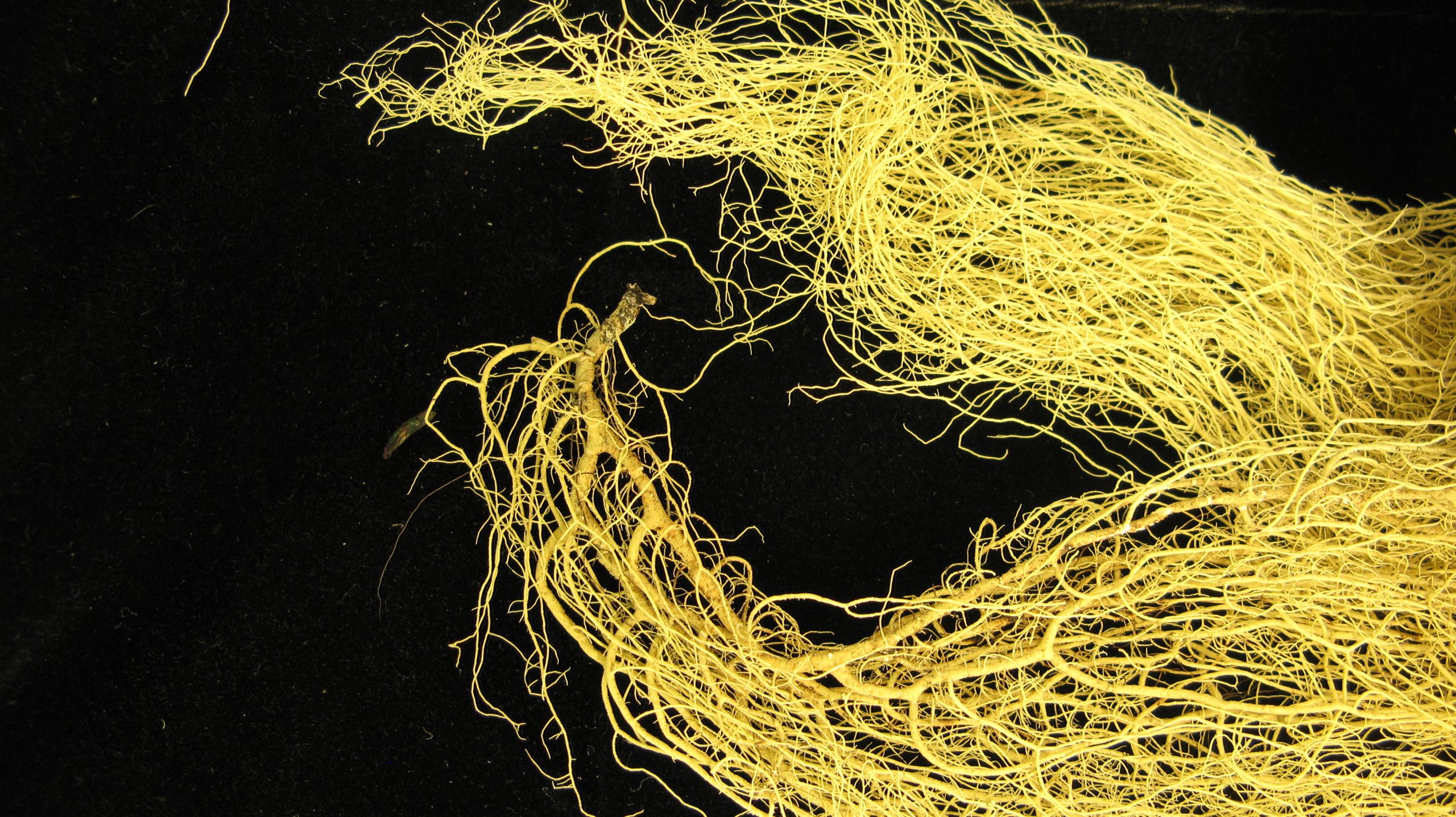
- Usnea scabrata. UBC Collection
-
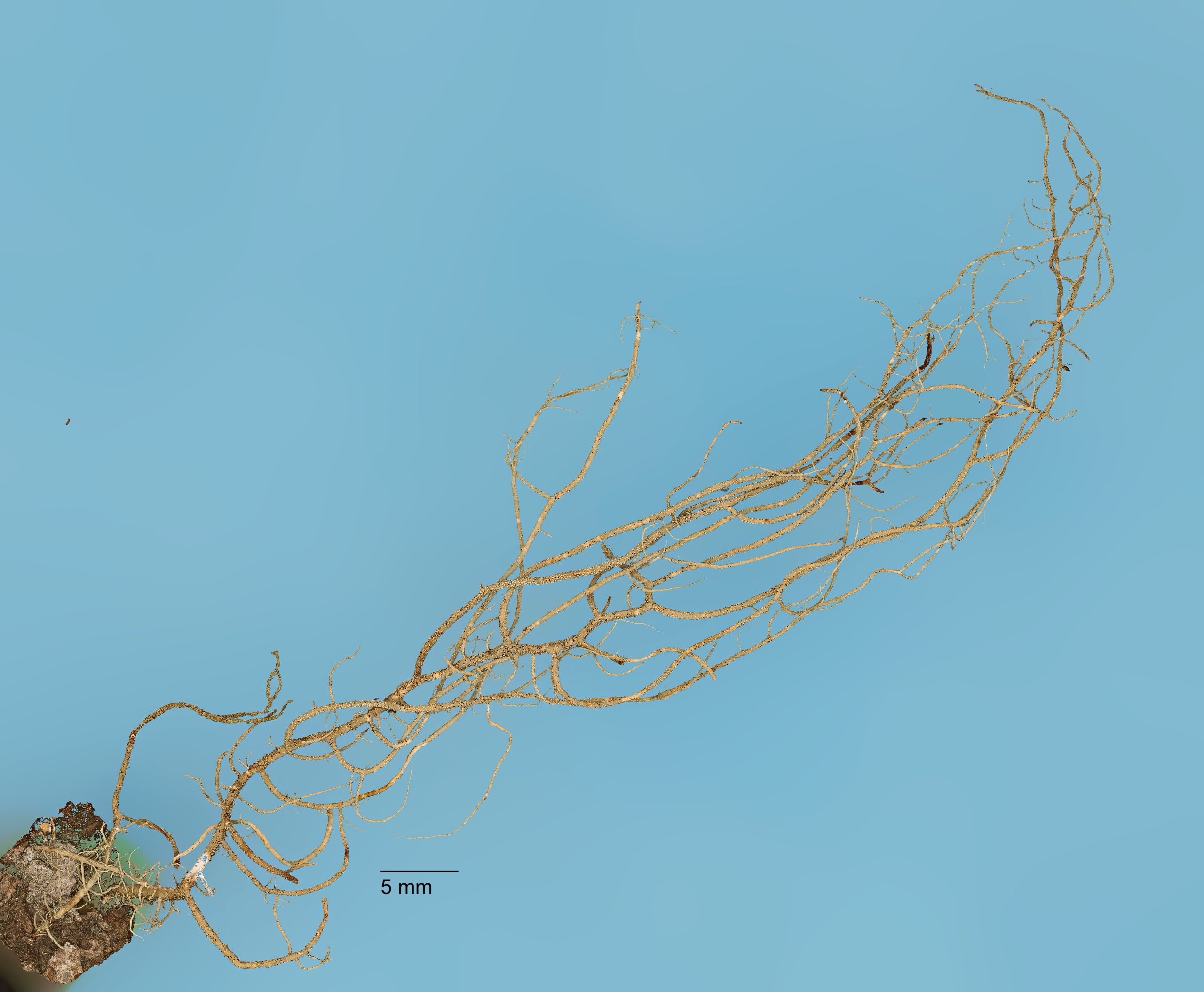
- Usnea scabrata branching. ABMI Collection
-
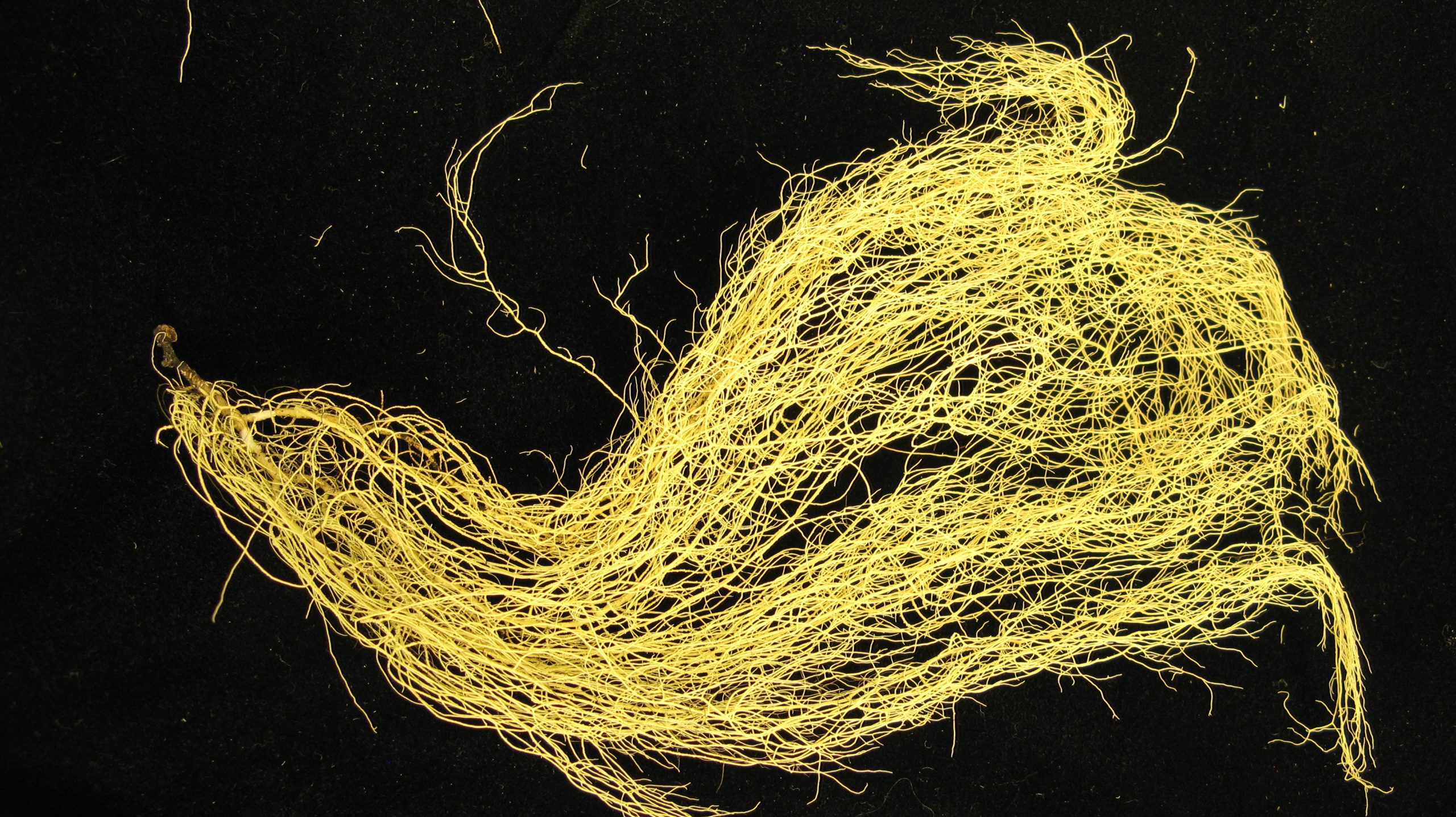
- Usnea scabrata. UBC Collection
-
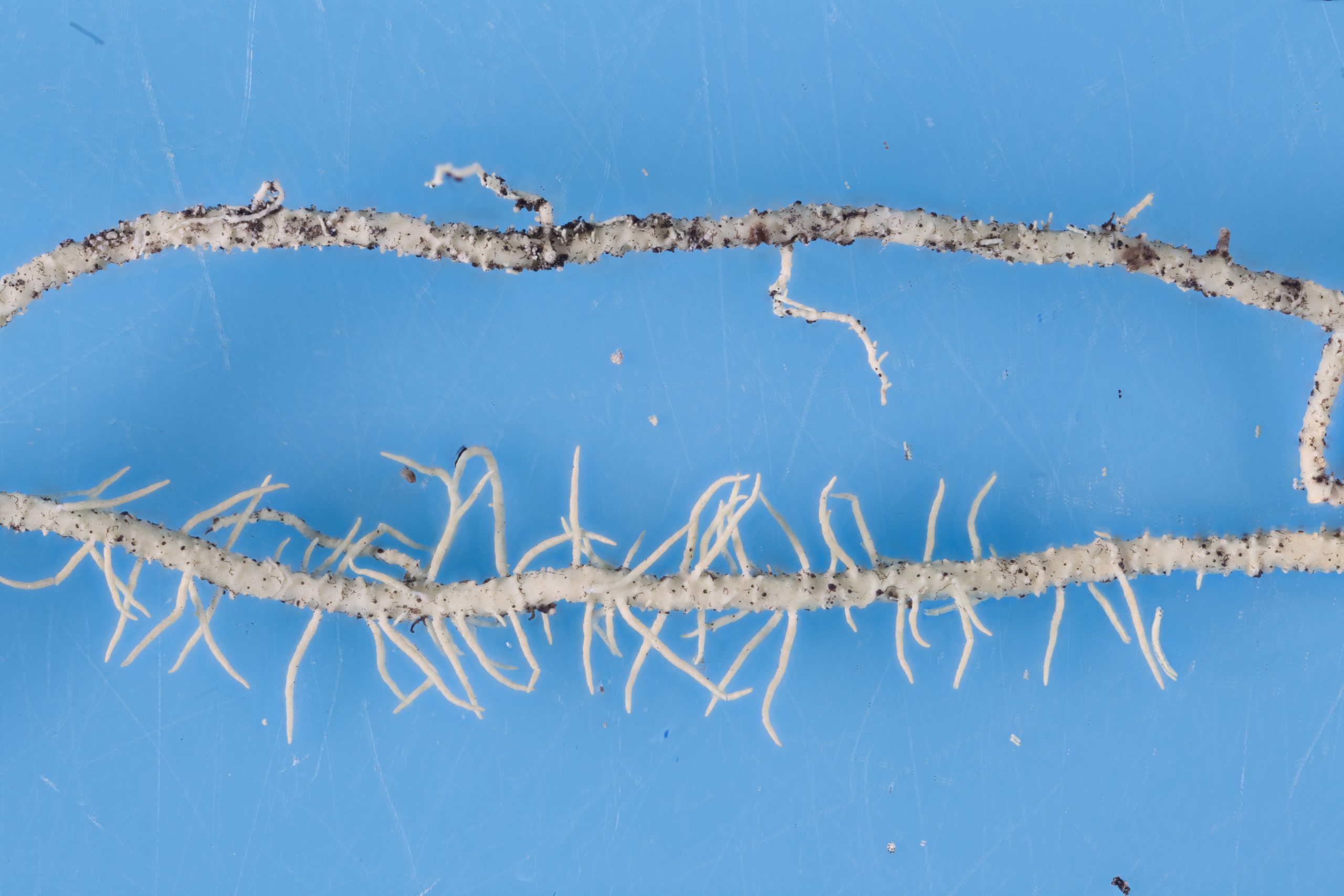
- Usnea scabrata close up of branch. ABMI Collection
-
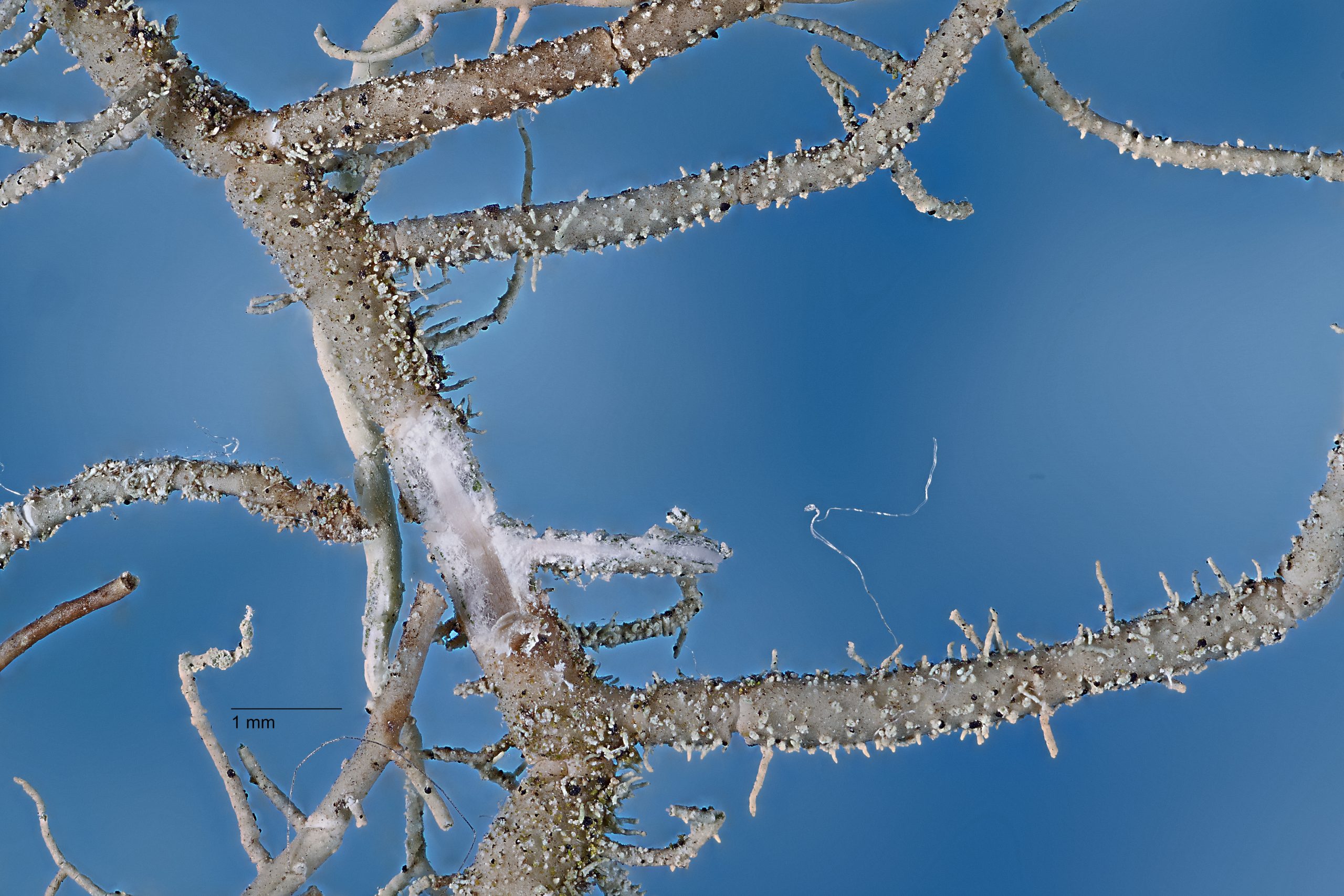
- Usnea scabrata close up of branch. ABMI Collection
-
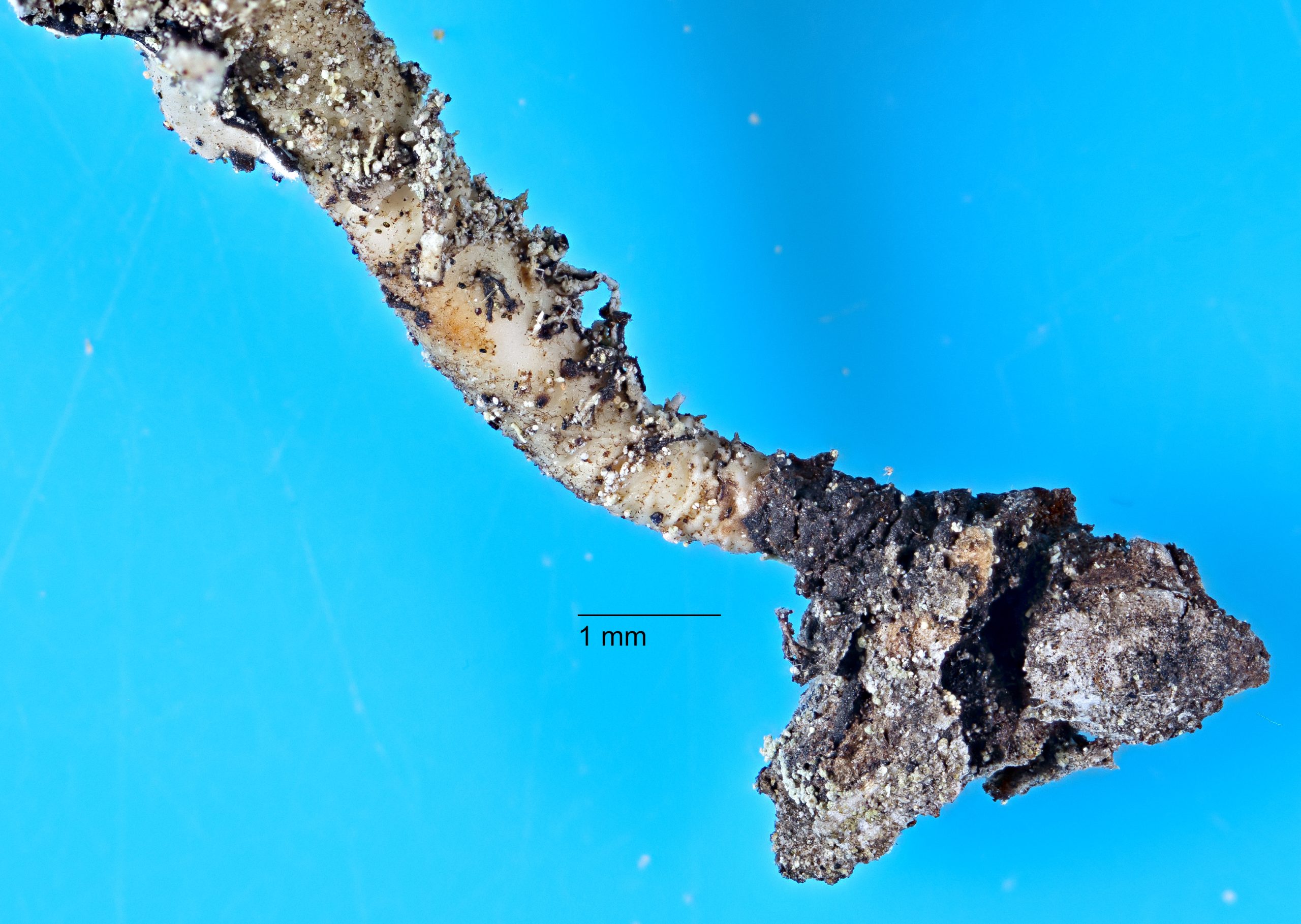
- Usnea scabrata close up of base. ABMI Collection
-
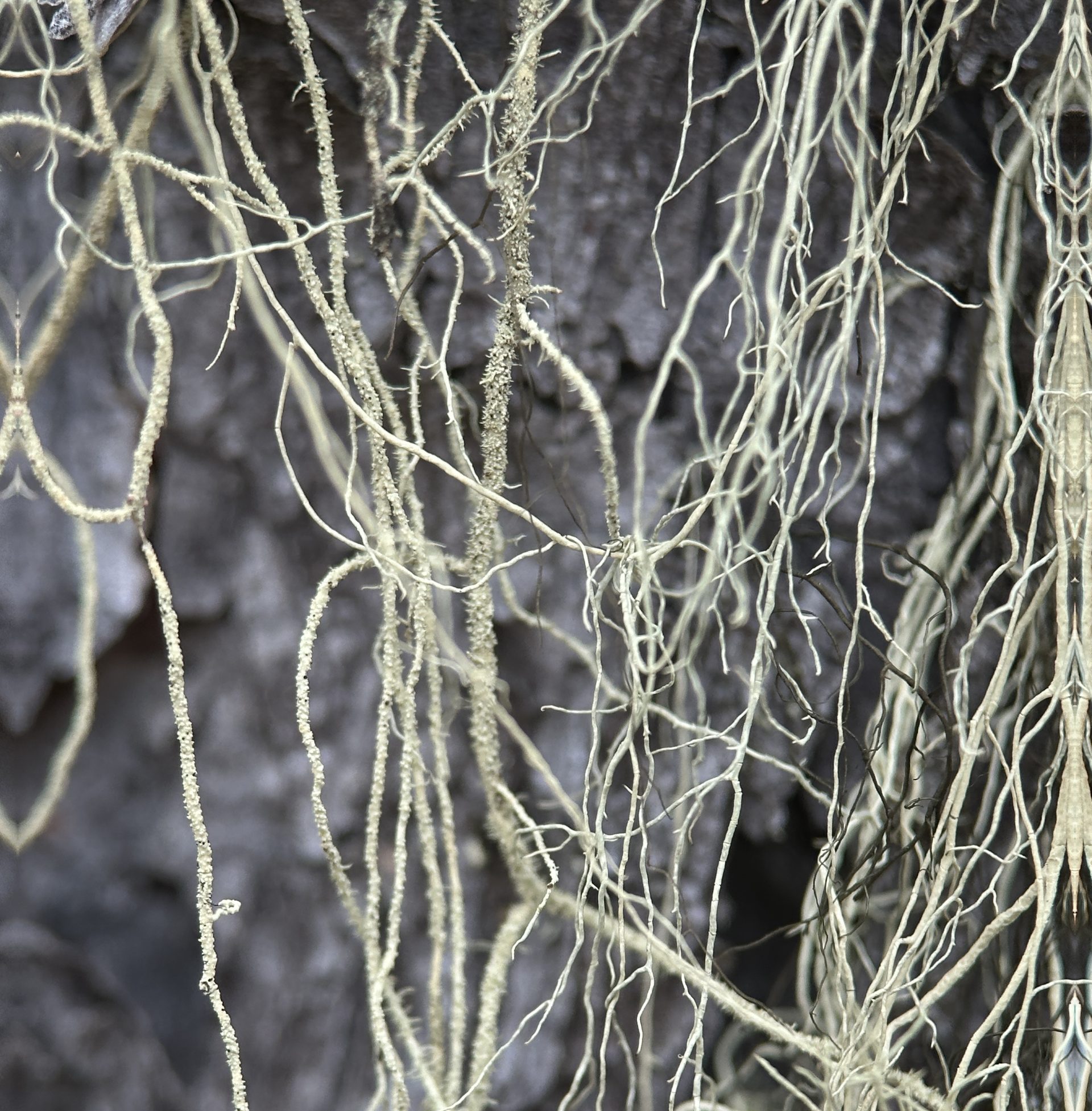
- Usnea scabrata thallus, near Lac La Biche, AB