
Physcia aipolia (Ehrh. ex Humb.) Fürnr., 1839 & Physcia alnophila (Vain.) Loht., Moberg, Myllys & Tehler, 2009
| Common name | P. aipolia: Hoary Rosette Lichen
P. alnophila: Alder-loving Rosette Lichen Together these species form the Physcia aipolia group, which is a handy designation when material is too small or intermediate to assign definitively to one or the other of these two species. |
|
|---|---|---|
| Codes |
PHYSAIP, PHYSALN, PHYSAIP grp. | |
| Field Characters | Small, foliose, chlorolichens. Thalli blue-grey, green-grey to white, composed of appressed, irregular rosettes typically ≤1 mm wide. Lobes plane to slightly concave, with the edges of the lobes ever-so-slightly elevated above the centre of the lobes. Upper cortex typically spotted with abundant, white maculae, matte, epruinose. Vegetative propagules absent. Cilia absent. Lower cortex present, white to pale brown. Rhizines typically concentrated towards lobe margins, simple or sparsely branched, white to black. Apothecia common, with brown to black, often pruinose discs, thalline margin concolorous with the upper cortex, and adnate to the thalli.
Physcia aipolia has wider lobes (typically ~ 1 mm wide) and apothecia that vary in size and are concentrated centrally. Physcia alnophila has narrower lobes (typically < 0.5 mm wide) and apothecia that are similar in size and scattered over the lobes. |
|
| Similar species |
Physcia stellaris: upper cortex typically paler, convex (with lobes ‘grasping’ the substrate, elevated centrally with lower margins), short-stipitate apothecia with thicker thalline margins, and the medulla is K- (lacks atranorin). Be careful to not include the cortex in your medullary chemical test or you may get a false K+ yellow. | |
| Ecology | Abundant epiphyte on conifer twigs and deciduous trees and shrubs, and on downed wood. Rarely saxicolous. Widely distributed, present in all of Alberta’s natural regions but most common in the forested regions. | |
| Chemistry | Upper cortex K+ yellow, KC-, C-, PD- or PD+ pale yellow, UV- (atranorin), medulla K+ yellow, KC-, C-, PD- or PD+ pale yellow, UV- (atranorin plus accessory terpenoids detectable by thin layer chromatography) | |
| Molecular support |
In progress. | |
| Links | ||
| Gallery |
-
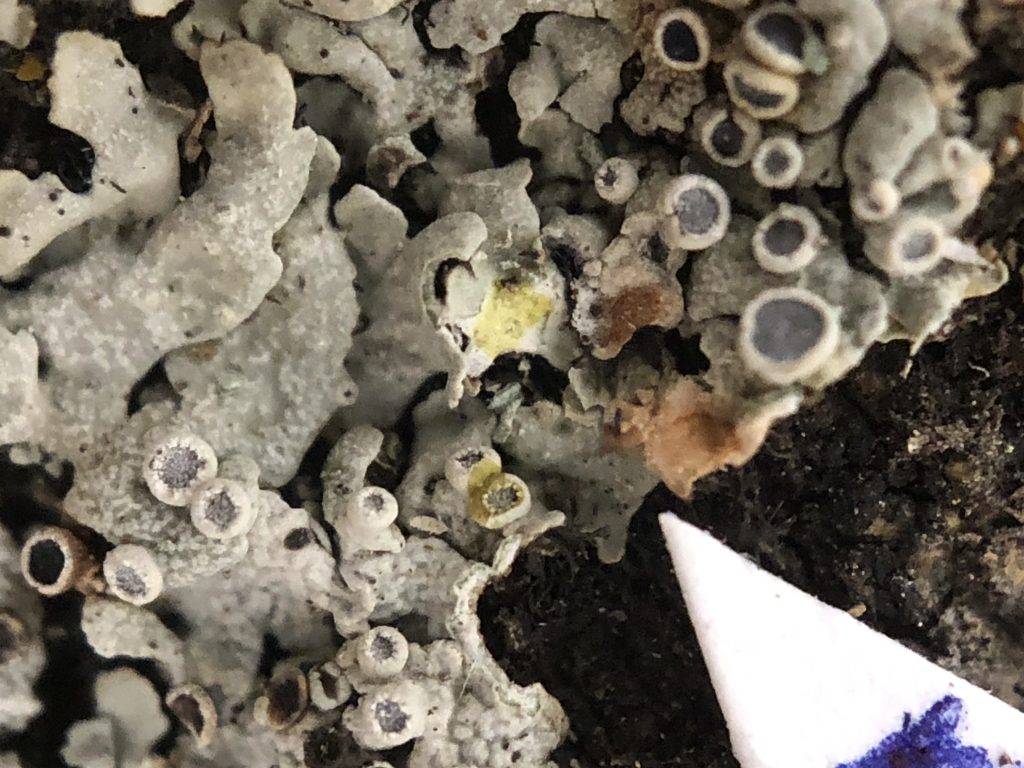
- Physcia aipolia grp. sample, depicting K+ yellow medulla and K+yellow cortex that has aged to K+ orangish (spot test done day before picture taken)
-
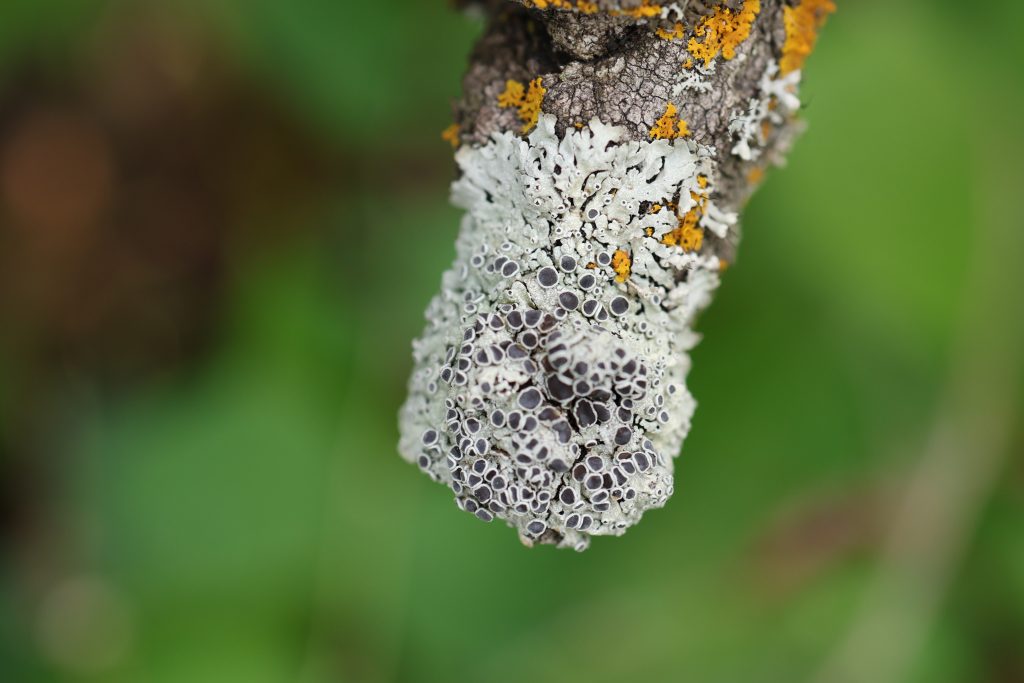
- Physcia aipolia, Elk Island National Park, AB
-
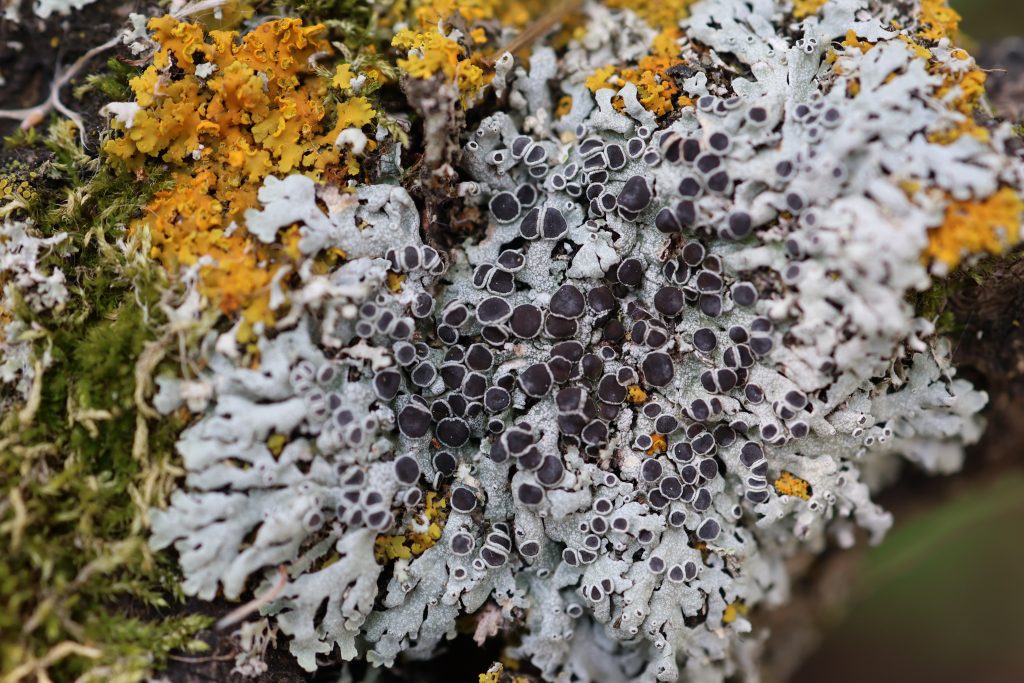
- Physcia aipolia, Elk Island National Park, AB
-
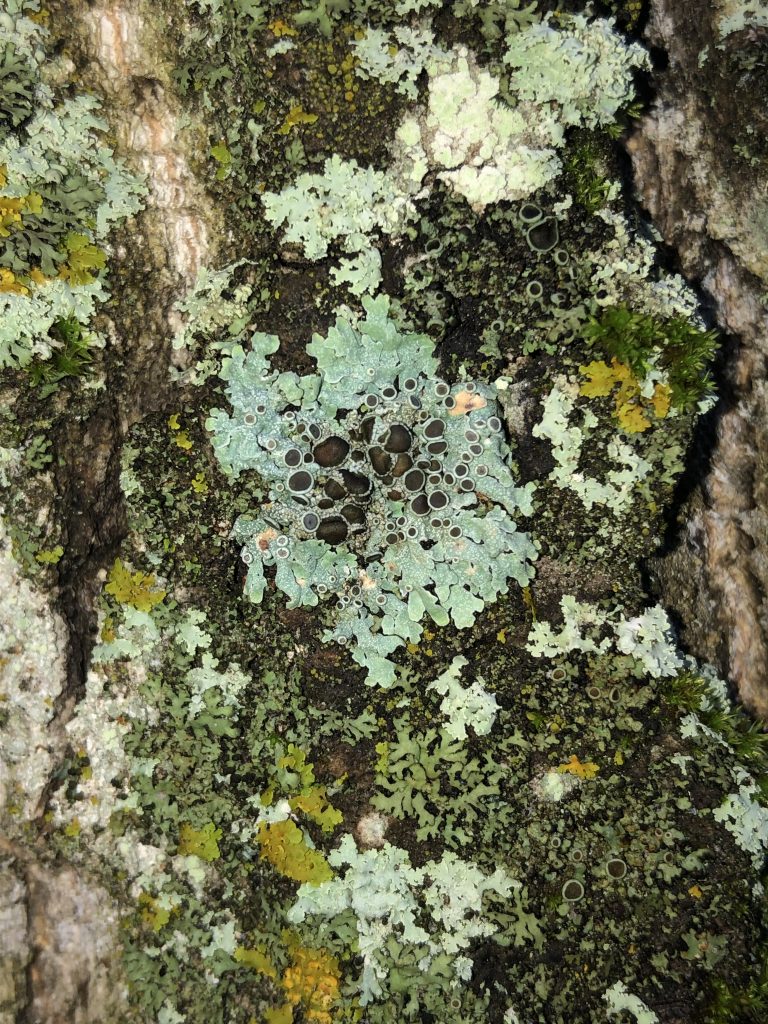
- Physcia aipolia, Edmonton, AB
-
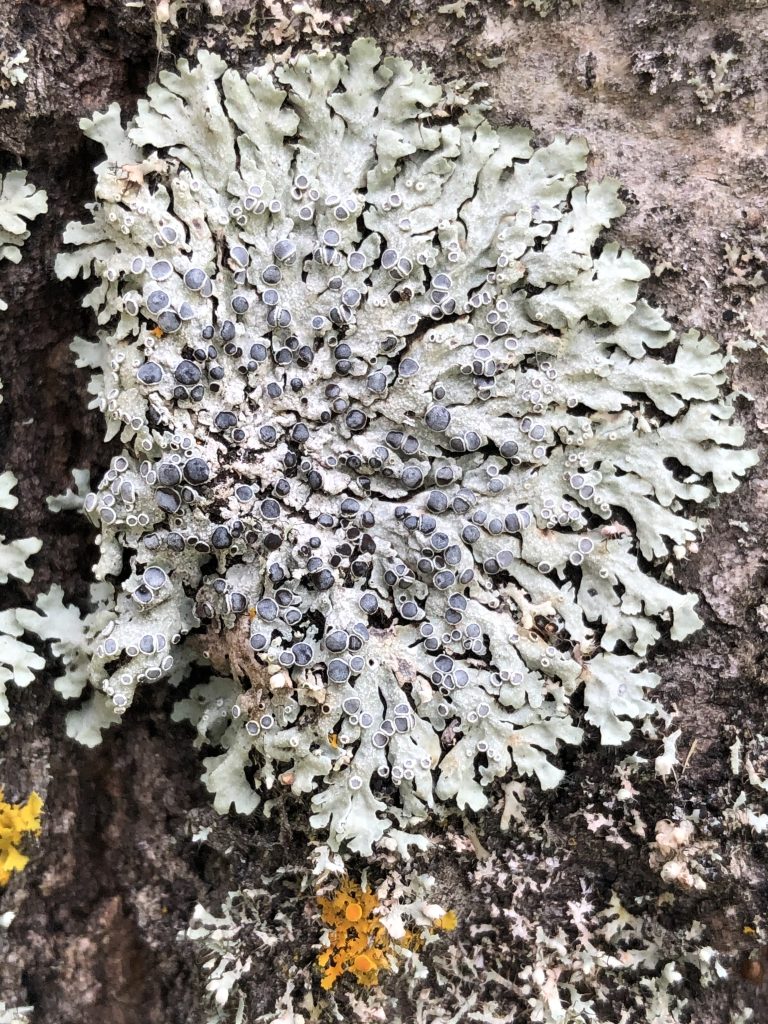
- Physcia aipolia, Clifford E. Lee Natural Area, AB
-
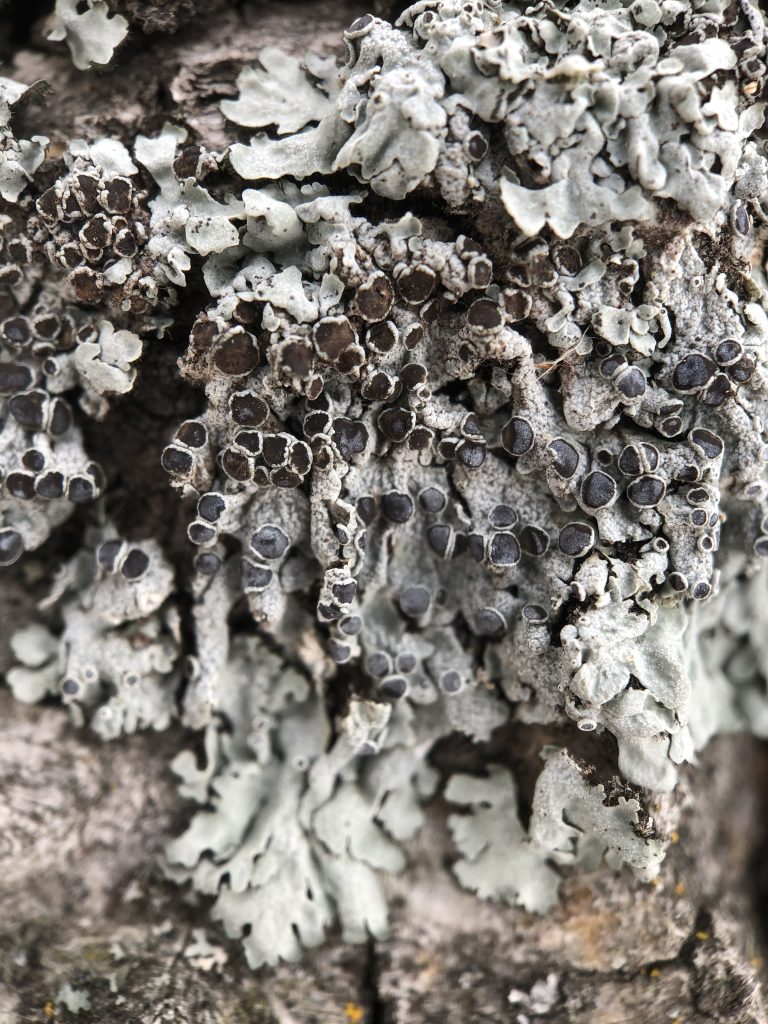
- Physcia aipolia, Elk Island National Park, AB
-
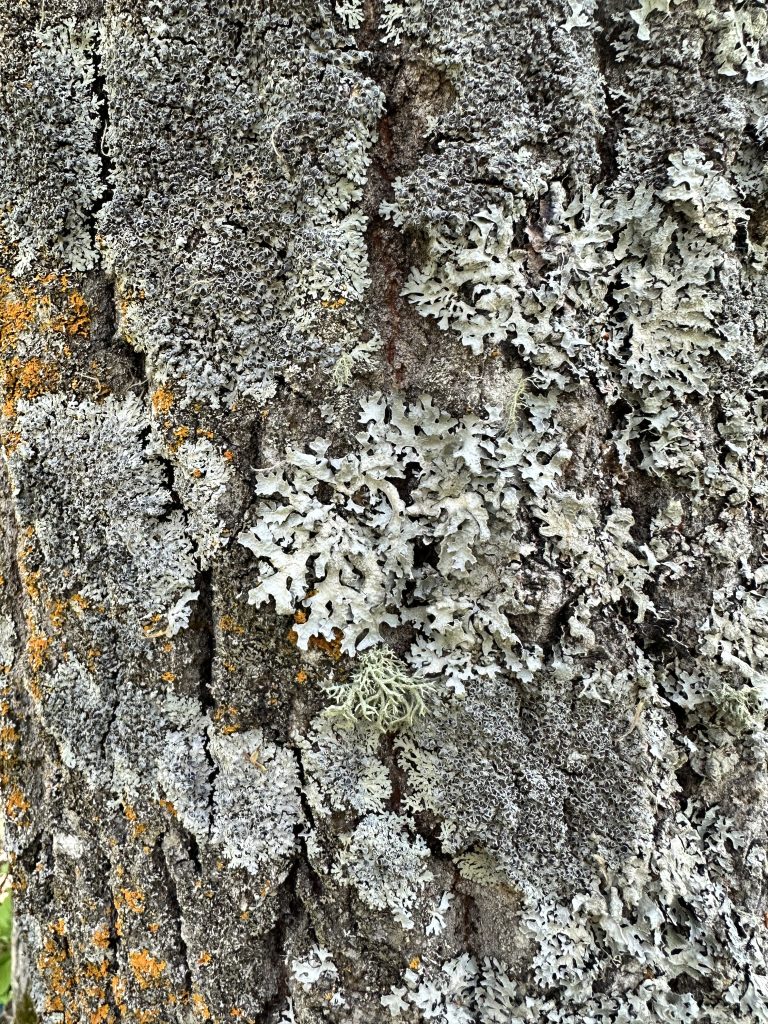
- Physcia aipolia, Elk Island National Park, AB
-
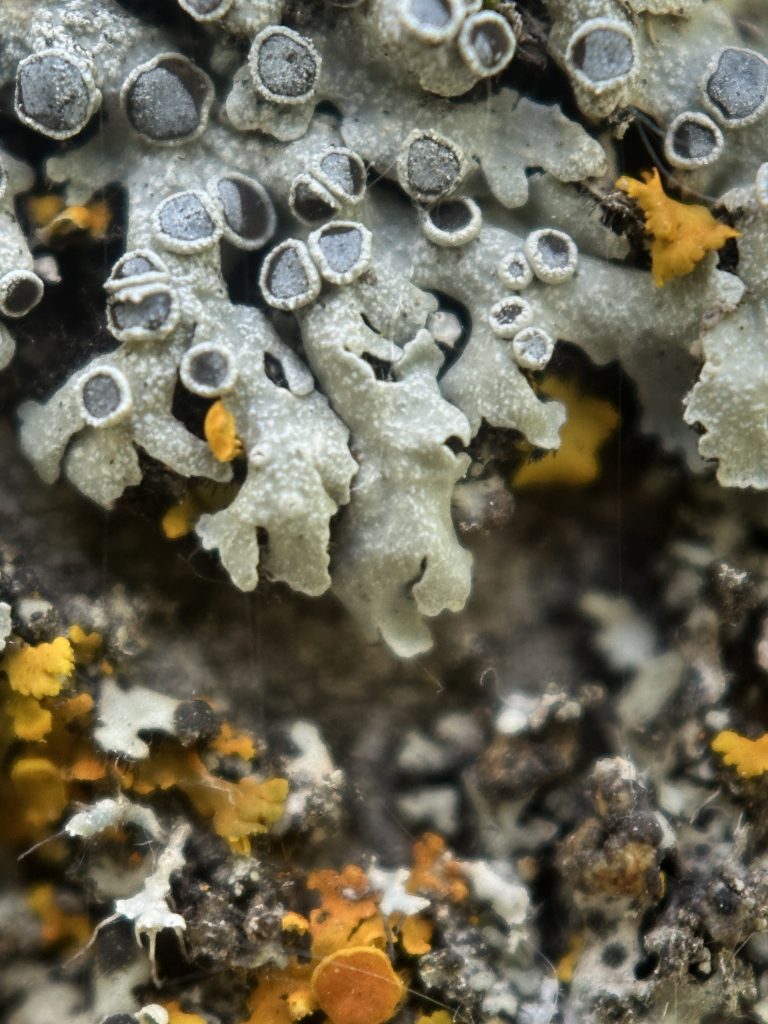
- Physcia aipolia, Elk Island National Park, AB
-
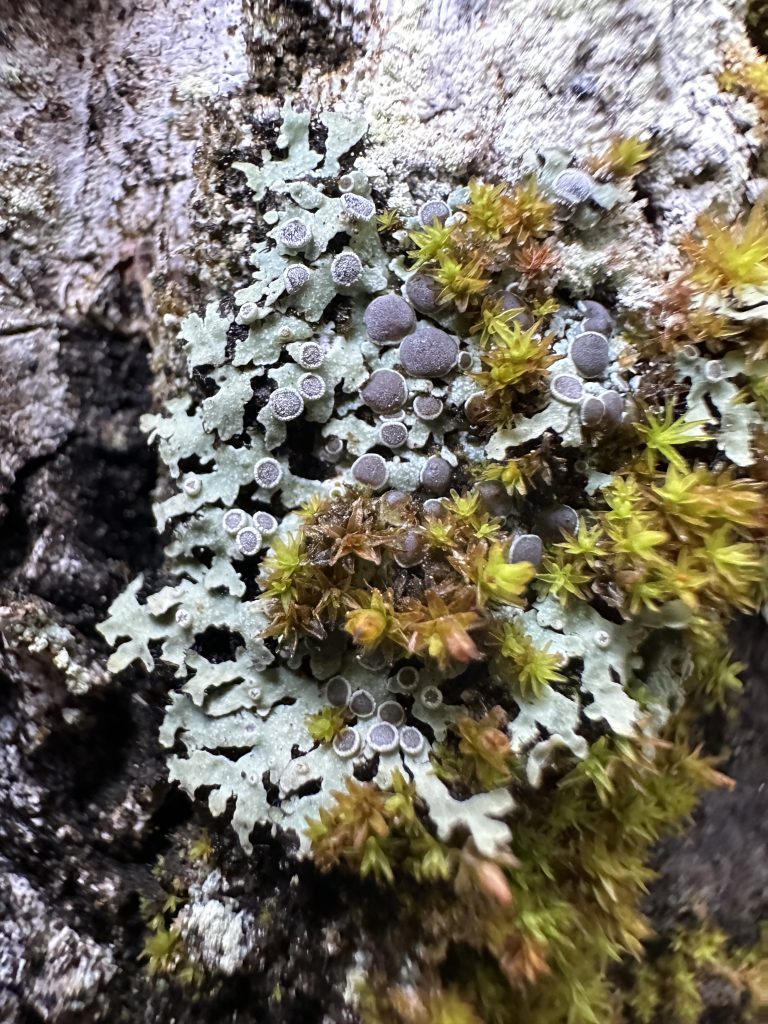
- Physcia alnophila, Lac la Biche region, AB
-
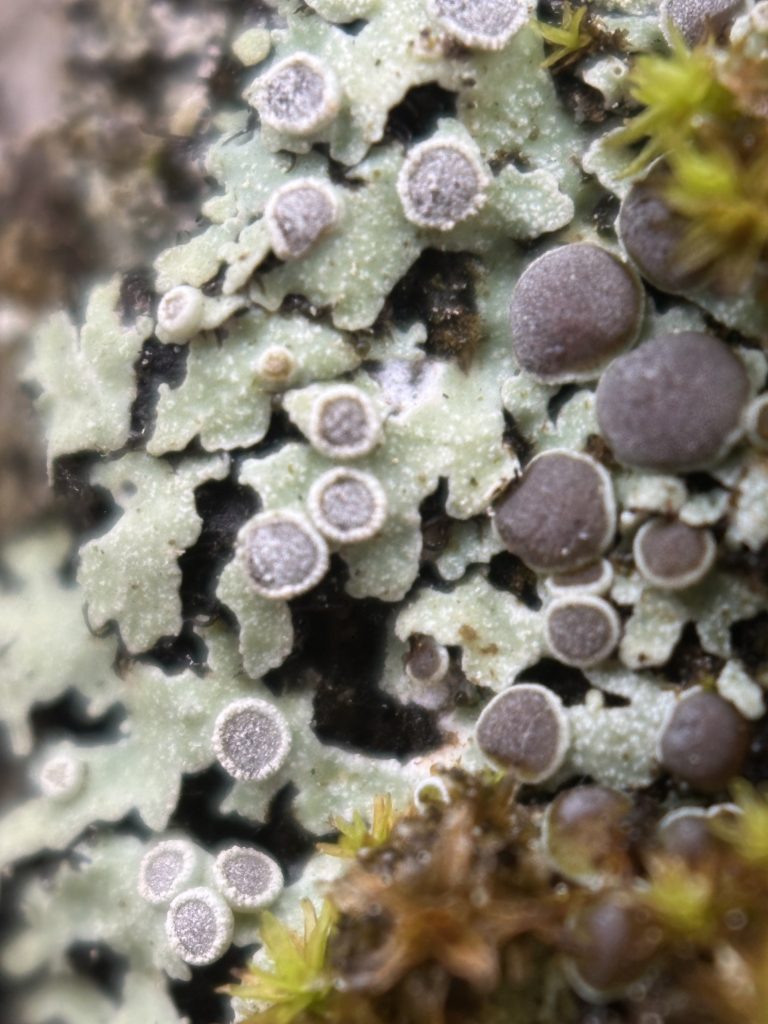
- Physcia alnophila, Lac la Biche region, AB
-
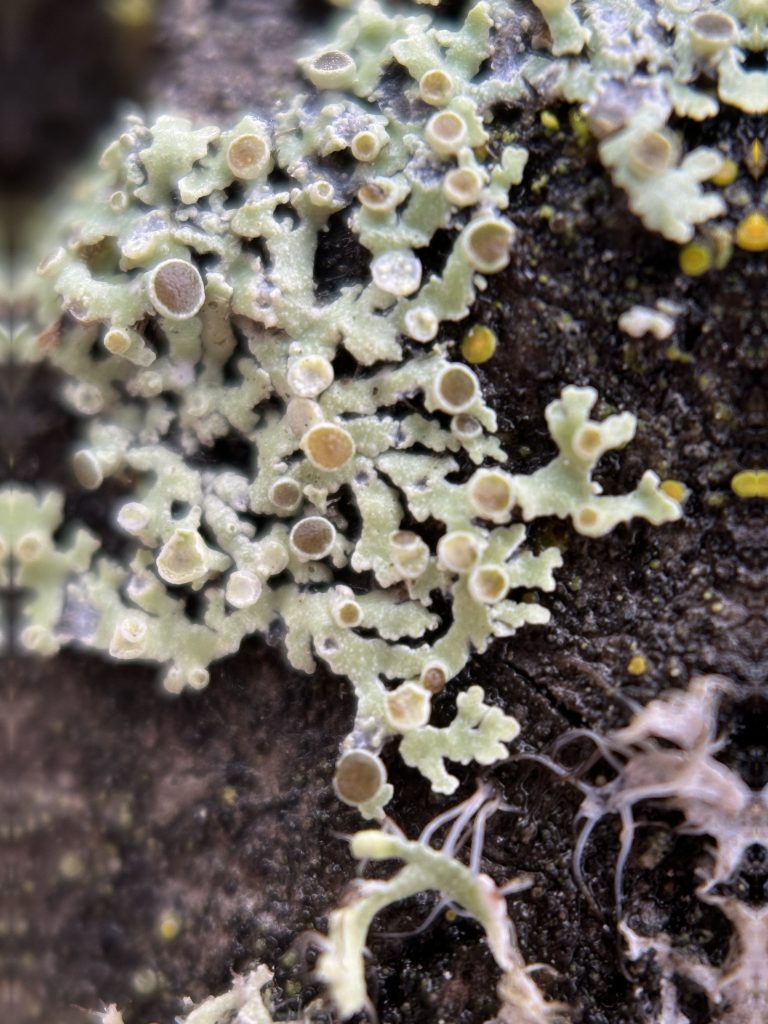
- Physcia alnophila, Lac la Biche region, AB
-
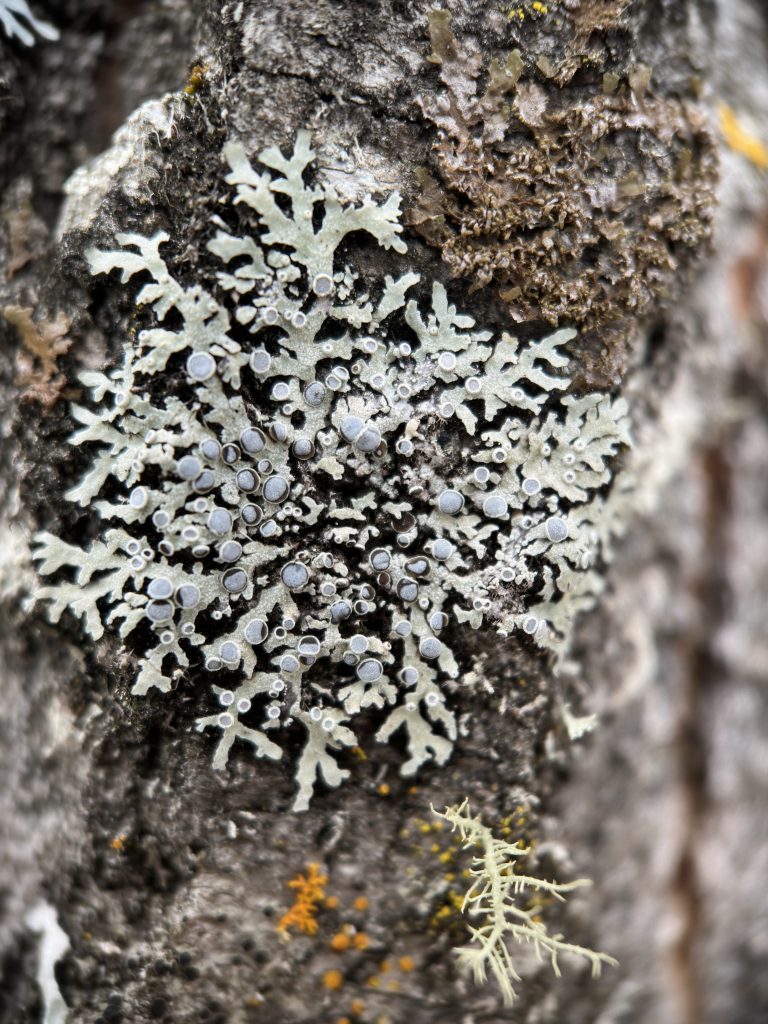
- Physcia alnophila, Lac la Biche region, AB
-
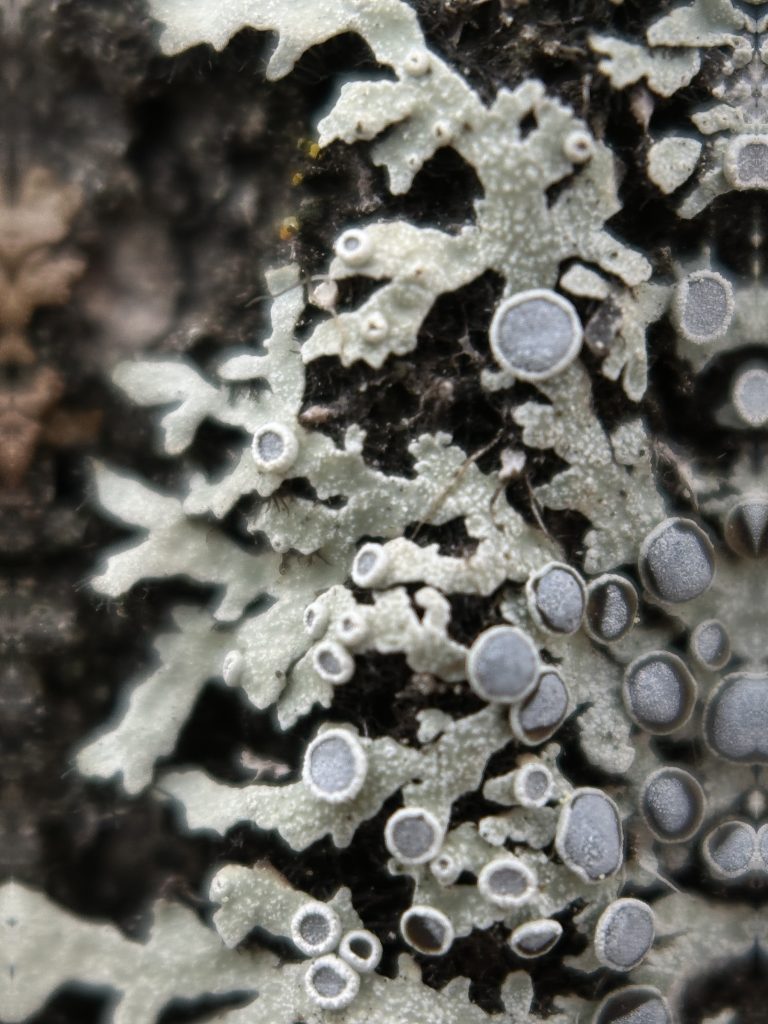
- Physcia alnophila, Lac la Biche region, AB