
Lobaria pulmonaria (L.) Hoffm., 1796
| Common name | Lung Lichen |
|---|---|
| Code | LOBAPUL |
| Field Characters | Large, leafy tripartite cephalolichen. Thalli of loosely-attached angular, oak-leaf-like lobes. Lobes with regular depressions and ridges that also create corresponding patterns of tomentum on the lower surface, which is variously described as lacunate, netlike or reticulate. Cephalodia embedded within the thallus, and best visualized as small dark patches when wet. Upper cortex shiny to dull, dull green to greenish-tan when dry, bright green when wet (dominant photobiont a green alga). Lower cortex varying from cream to brown, tomentose patches interspersed with shiny cortex. Medulla white, loose to compact. Typically sorediate and/or isidiate, with predominantly marginal and sparse laminal soralia. Apothecia rare, when present with a thalline margin and laminal on the upper surface.
This is one the most studied lichens in the world, and has been the focus of foundational population and ecological studies for decades. |
| Similar species |
Lobaria linita: terricolous, no vegetative propagules, medulla K-. |
| Ecology | Epiphytic and on downed wood, more rarely on rock or ground-dwelling, in the mountains, foothills and boreal regions. |
| Chemistry | Upper cortex K-, C-, KC-, P- (no detectable substances). Medulla K+ yellow to orange (some combination of ß-orcinol depsides or depsidones, triterpenes). |
| Molecular support |
|
| Links | |
| Gallery |
-
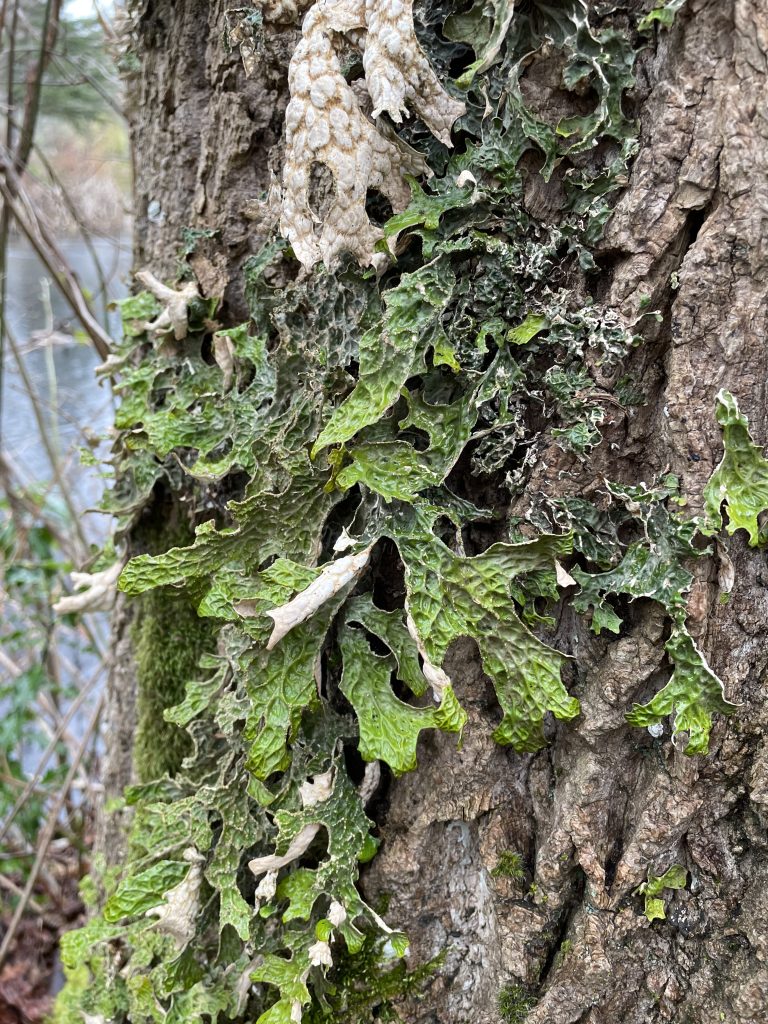
- Lobaria pulmonaria, Grande Prairie region, AB
-
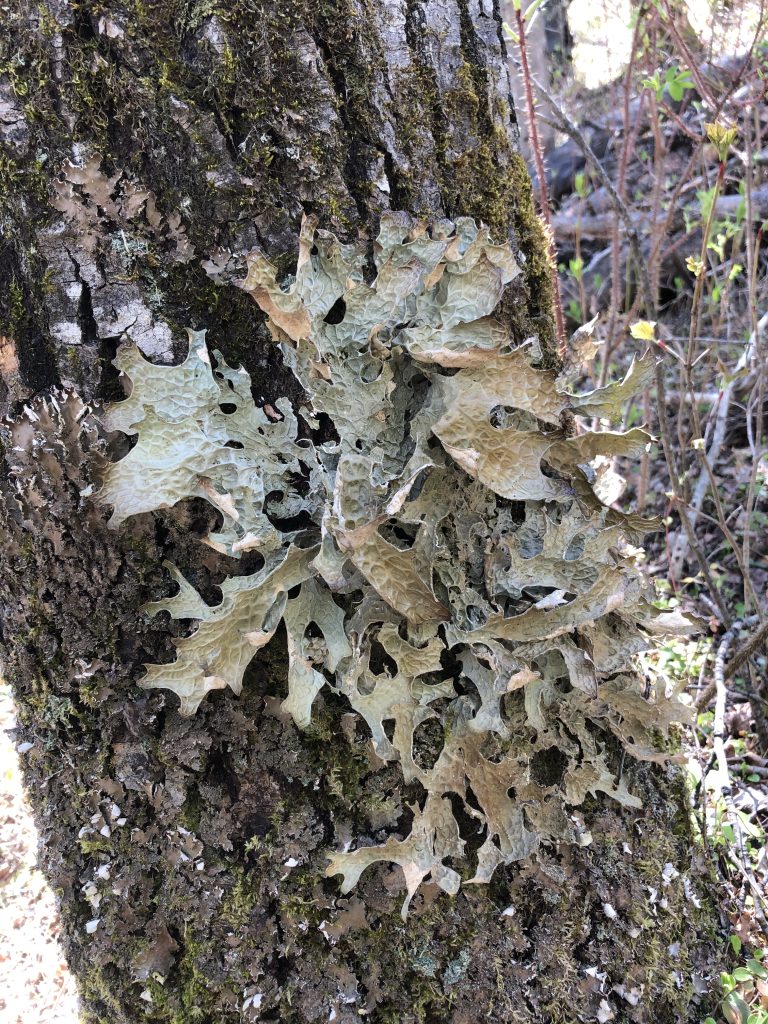
- Lobaria pulmonaria
-
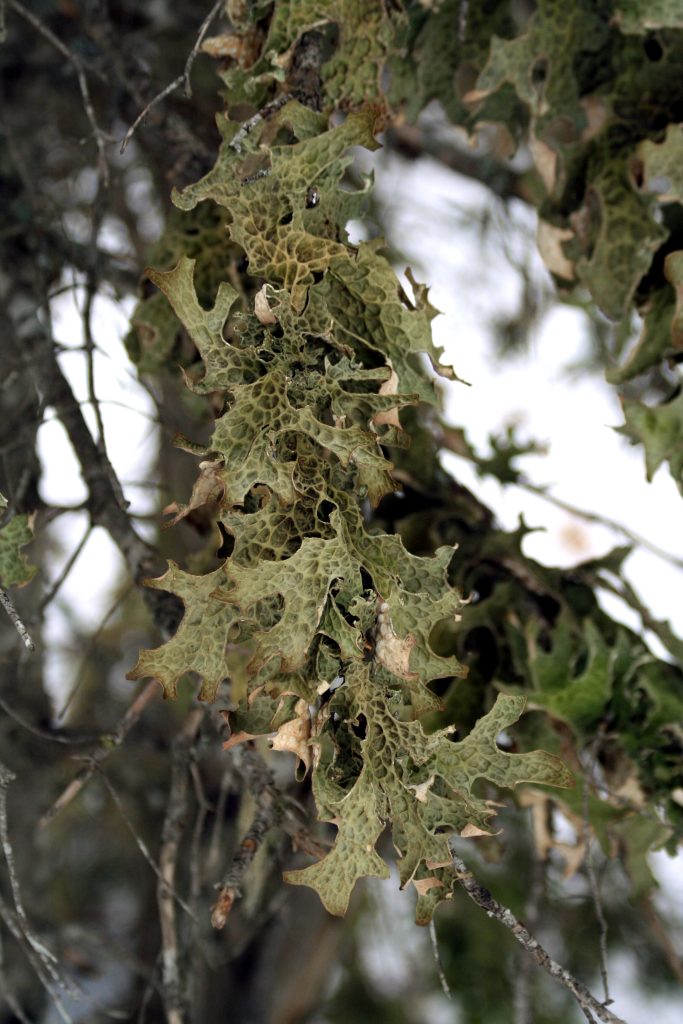
- Lobaria pulmonaria
-
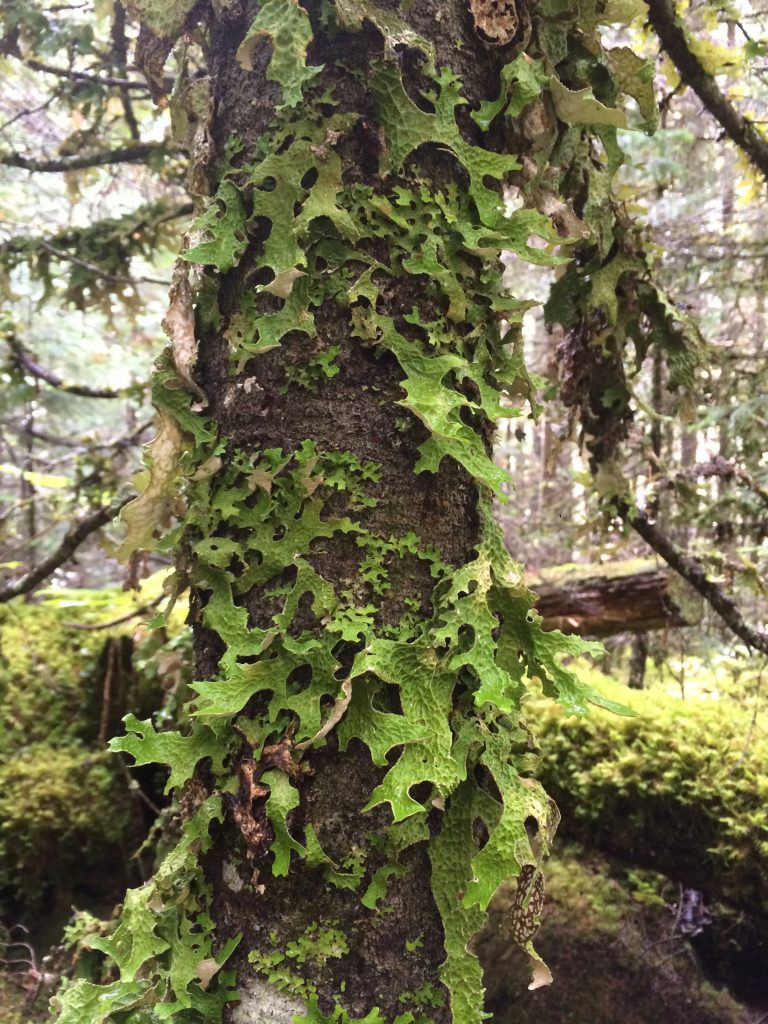
- Lobaria pulmonaria, Berg Lake Hike, Mt. Robson Provincial Park, BC
-
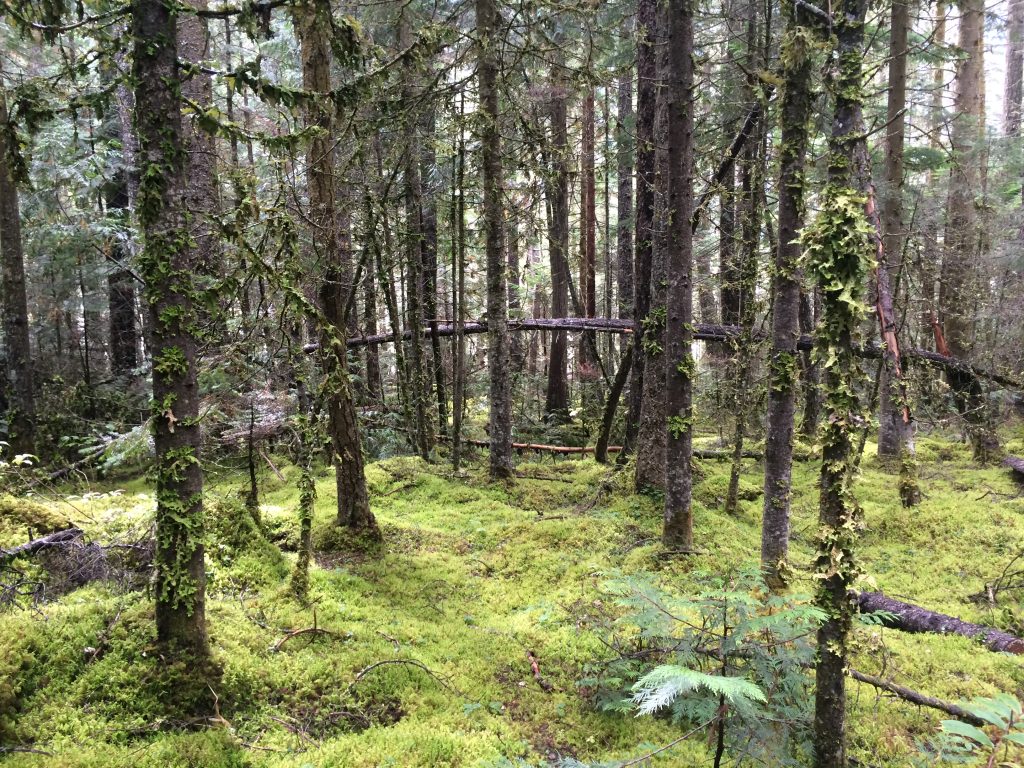
- Lobaria pulmonaria, Berg Lake Hike, Mt. Robson Provincial Park, BC