
Physcia adscendens (Th. Fr.) H. Olivier, 1882
| Common name | Hooded Rosette Lichen | |
|---|---|---|
| Code |
PHYSADS | |
| Field Characters | Small, foliose, chlorolichens. Thalli blue-grey, green-grey to white, composed of ascending lobes typically ≤1 mm wide. Habit variable, from short-lobed and compact in open, dry habitats, to long-lobed and leggy in higher humidity sites. Thalli may form complete rosettes or be present as disparate individual lobes. Upper cortex may be pruinose or maculate, typically matte. Soredia present, in expanded, hoodie- or helmet-shaped lobe tips up to 2 mm wide. Cilia present along lobe margins, pale near the attachment point and darkening distally. Lower cortex present, white. Rhizines very sparse, simple or sparsely branched, white to brown. Apothecia rare, when present with black, often pruinose disc, thalline margin concolorous with the upper cortex, and short-stipitate. | |
| Similar species |
Physcia tenella: soralia labriform (lip-shaped), upper cortex typically with embedded, laminal pycnidia visible as black dots, seems to be more abundant in wetter ecosystems; reported but not confirmed for Alberta, material in PMAE was redetermined to Heterodermia spp. Some morphs of P. adscendens develop labriform soralia, molecular work is ongoing.
Phaeophyscia constipata: lacks soredia, cortex K- (no substances detected). |
|
| Ecology | Abundant epiphyte and on downed wood, more rarely saxicolous. Abundant, present in all of Alberta’s natural regions. | |
| Chemistry | Upper cortex K+ yellow, KC-, C-, PD- or PD+ pale yellow, UV- (atranorin). Medulla all spot tests negative (no substances detected). | |
| Molecular support |
In progress. | |
| Links | ||
| Gallery |
-
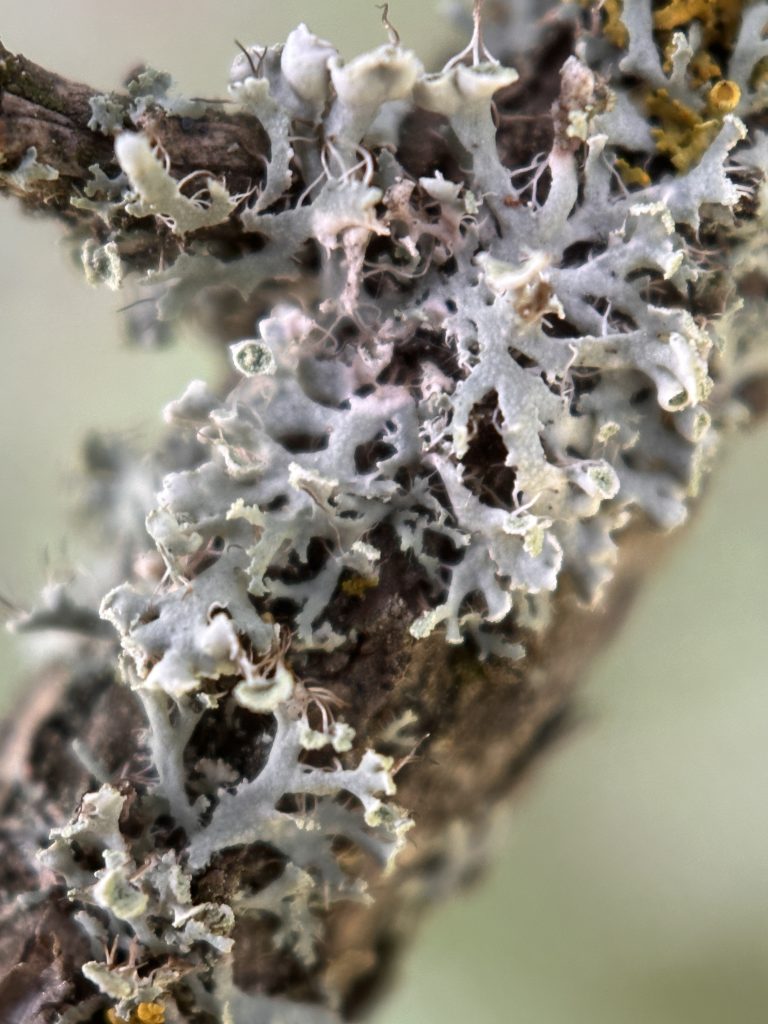
- Physcia adscendens, in riparian, Big Knife Provincial Park, AB
-
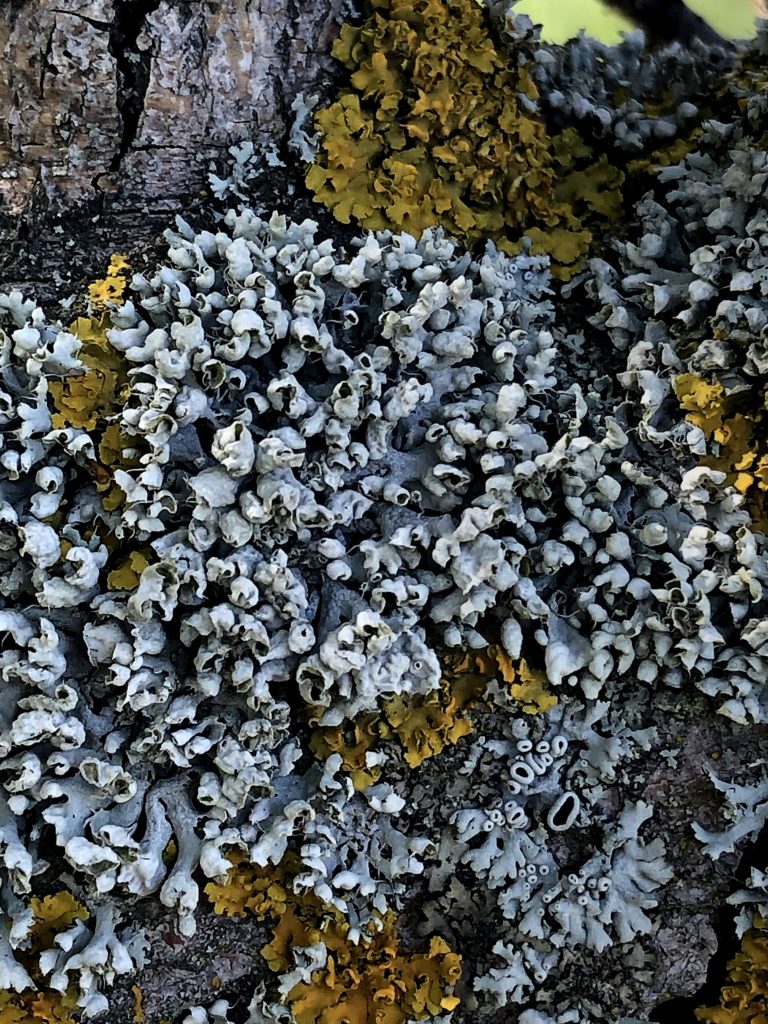
- Physcia adscendens, compact morph, Edmonton, AB
-
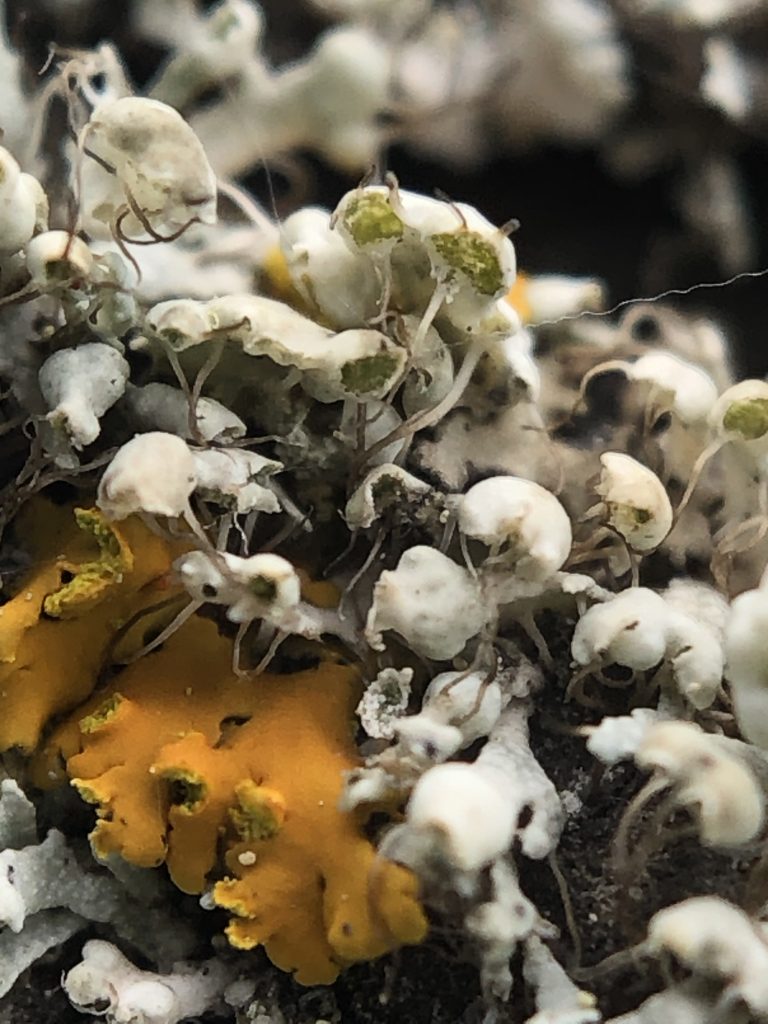
- Physcia adscendens, compact morph, close-up of soralia, Edmonton, AB
-
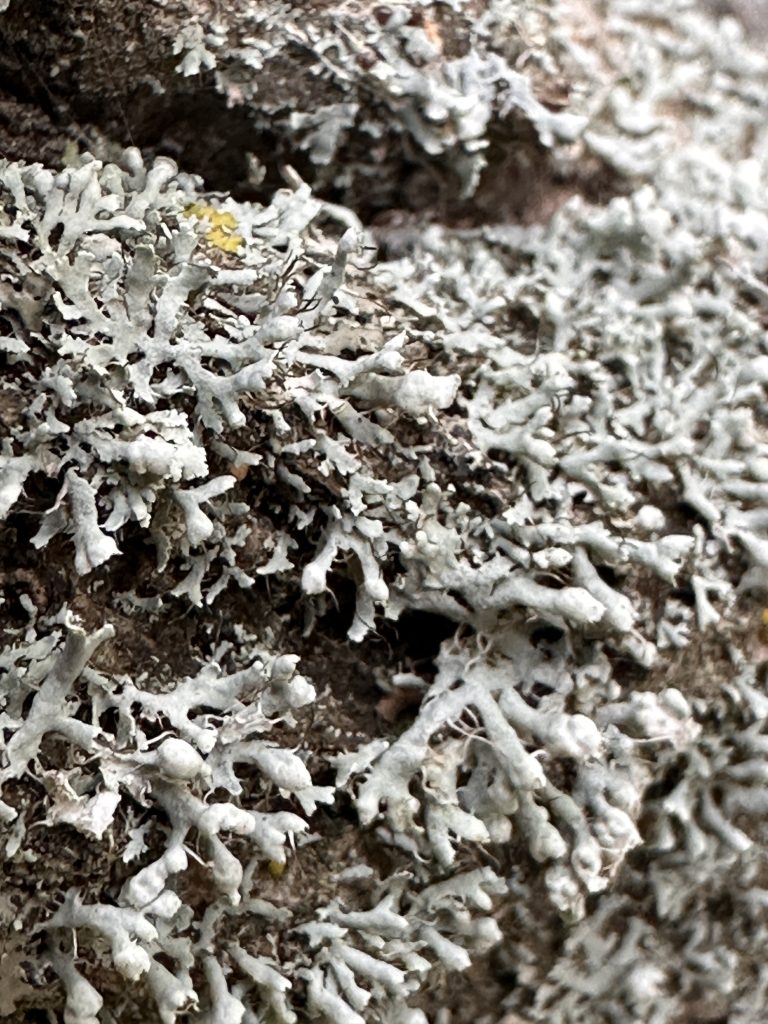
- Physcia adscendens, in riparian, Big Knife Provincial Park, AB
-
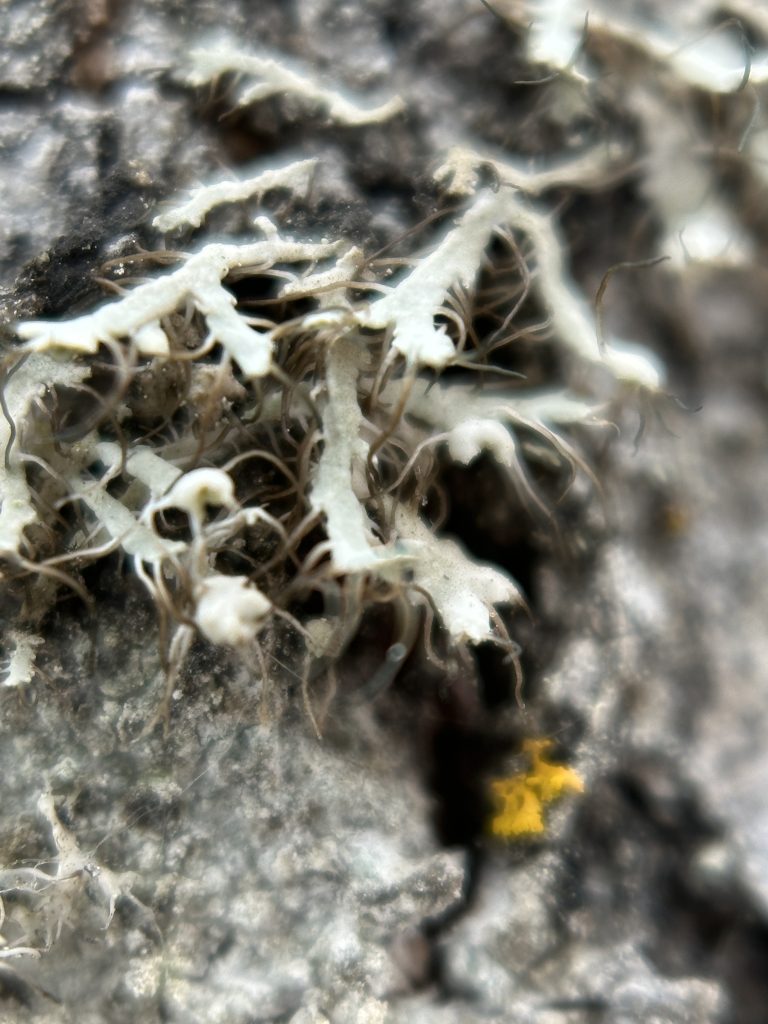
- Physcia adscendens, Lac la Biche region, AB
-
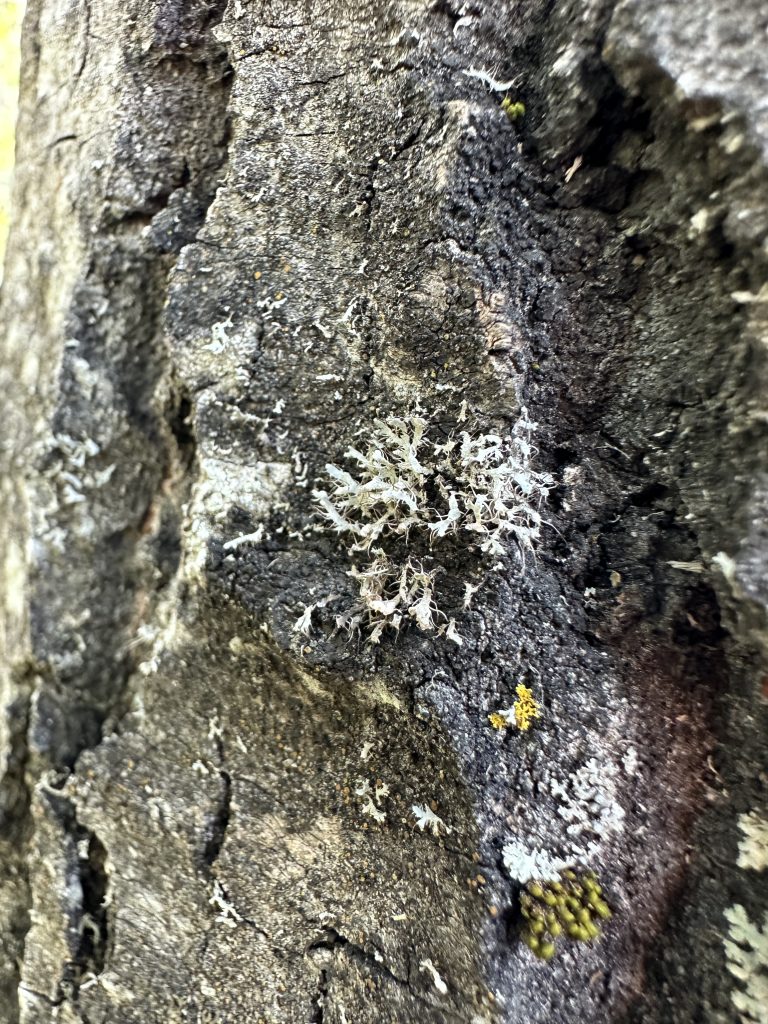
- Physcia adscendens, leggy morph, Prince Albert National Park, SK
-
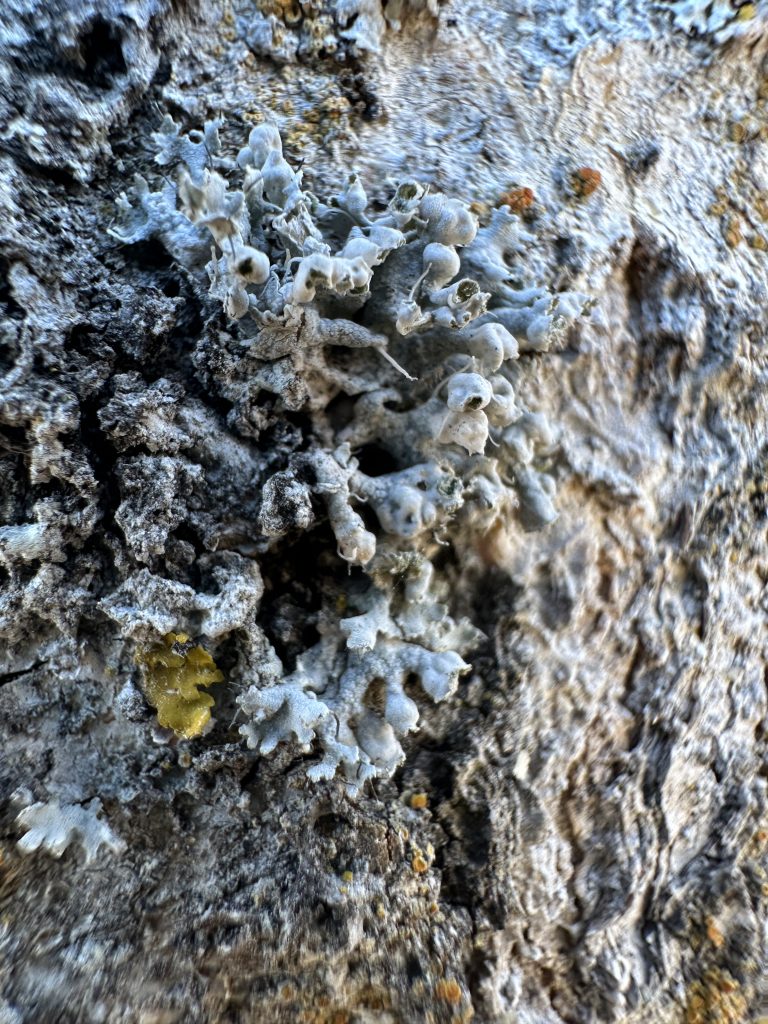
- Physcia adscendens, compact morph, Edmonton, AB
-
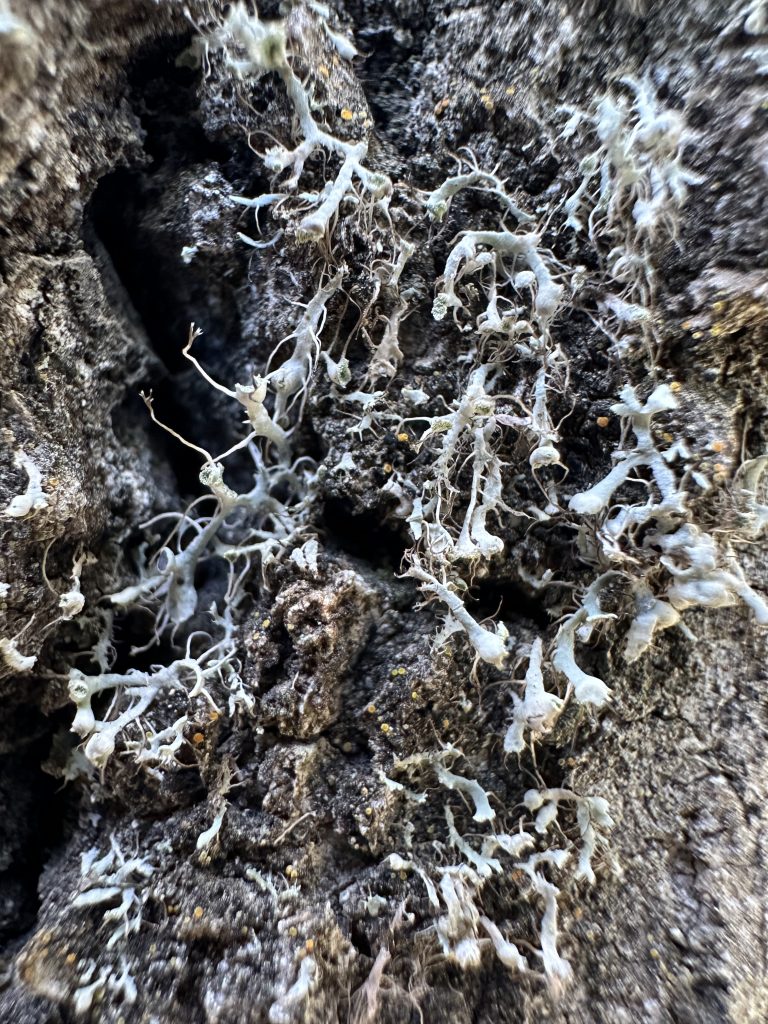
- Physcia adscendens, leggy morph, Cypress Hills Provincial Park, AB
-
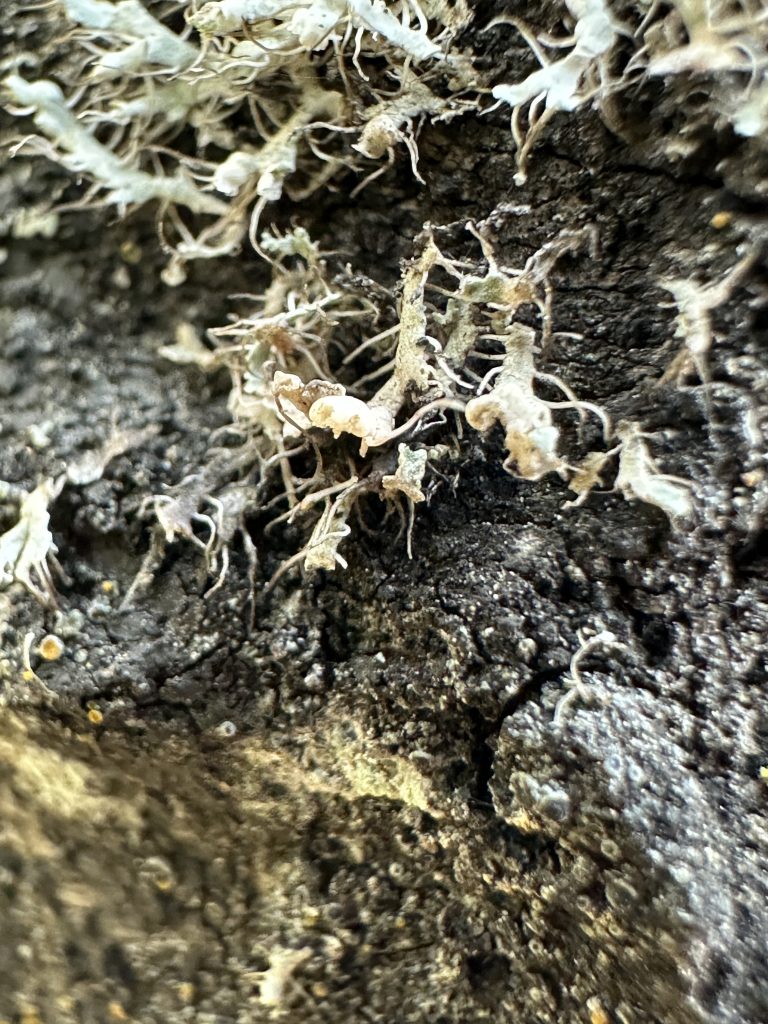
- Physcia adscendens, leggy morph, Prince Albert National Park, SK
-
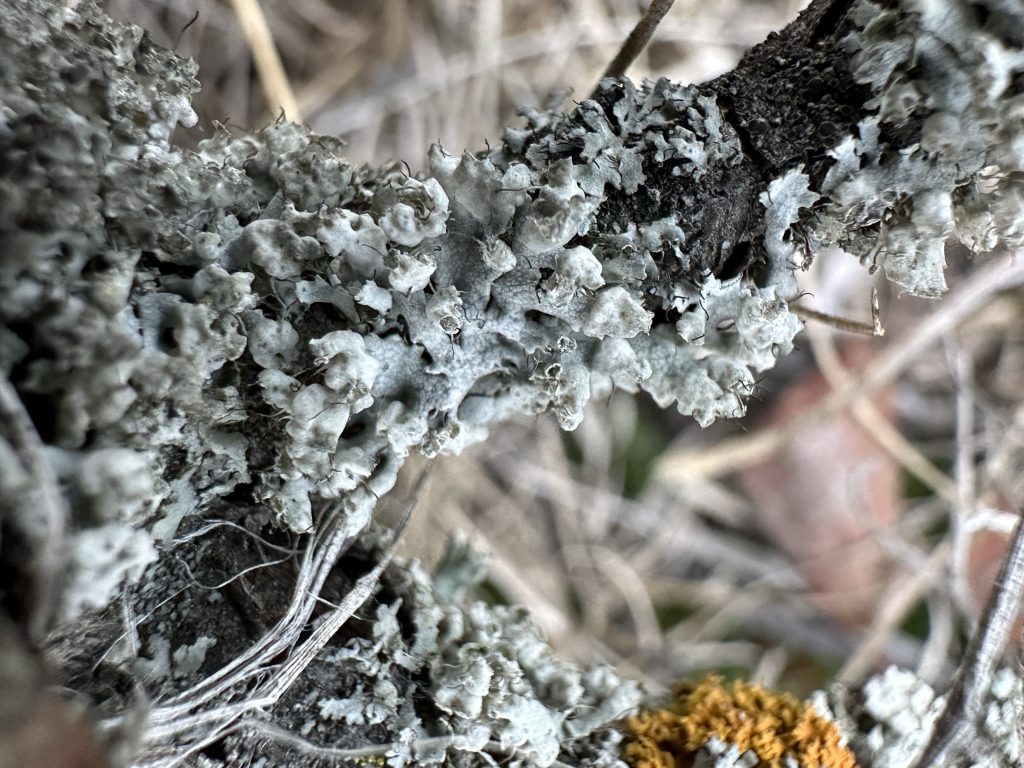
- Physcia adscendens, on shrubs in grasslands at Mattheis Ranch, AB